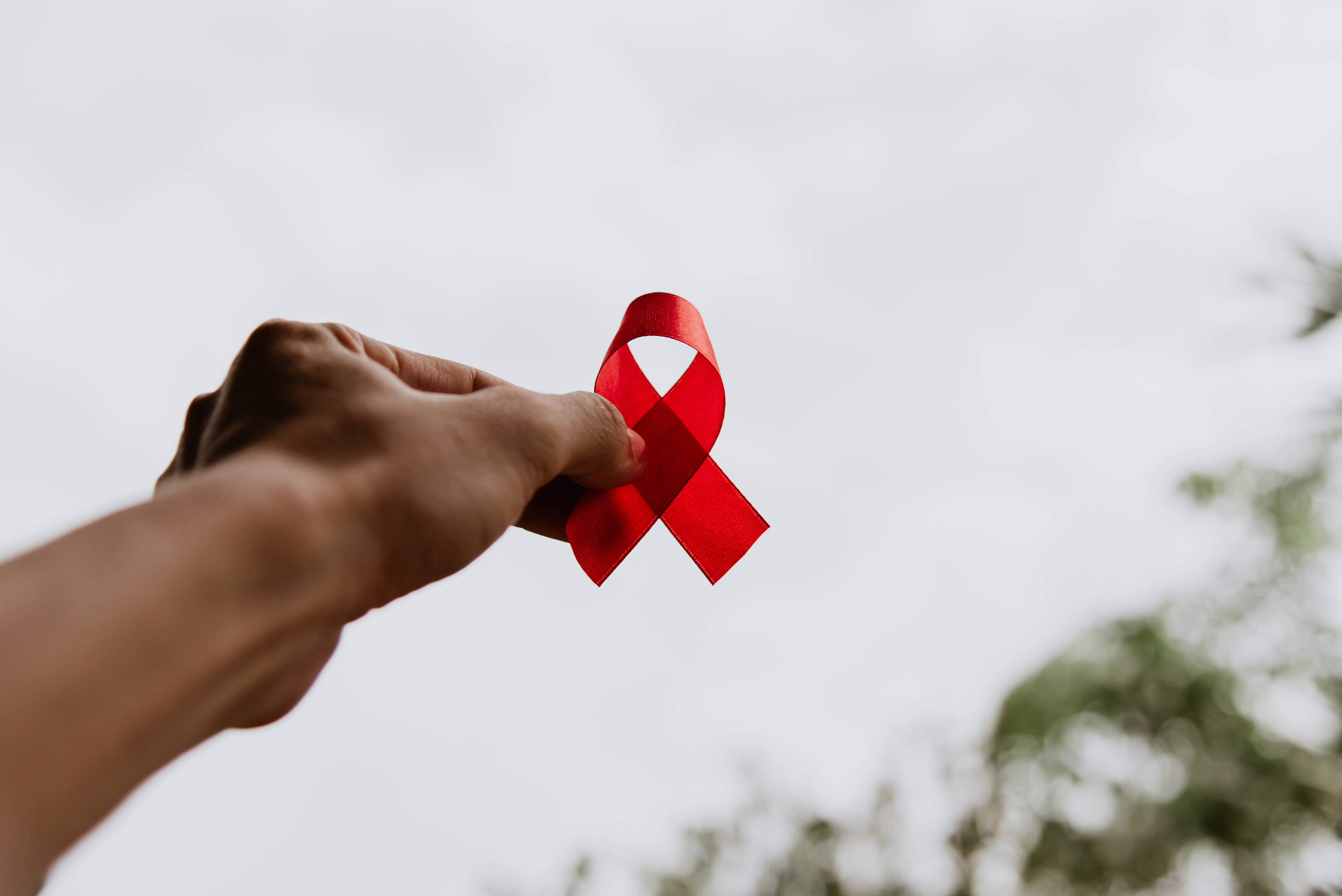
Despite remaining an incurable disease, AIDS today is far more manageable than it once was. Advances in early diagnosis, antiretroviral therapy (ART), and public health awareness have allowed people living with HIV to lead long, healthy, and productive lives. Yet, misconceptions continue to fuel fear and stigma. Here are five common myths—and the facts that dispel them.
- Myth: AIDS and HIV are the same thing
Fact: HIV is the virus, while AIDS is the advanced stage of untreated HIV infection. With proper treatment, most people with HIV never progress to AIDS.
- Myth: HIV can be transmitted through casual contact
Fact: HIV is not spread through hugging, sharing food, using the same toilet, or touching surfaces. Transmission requires specific routes, such as unprotected sex, sharing needles, or mother-to-child transmission without intervention.
- Myth: Only certain groups are at risk
Fact: HIV does not discriminate. Anyone, regardless of gender, age, or background, can contract HIV if exposed through high-risk behaviours. Targeting “groups” fuels stigma and discourages testing.
- Myth: HIV is a death sentence
Fact: Modern ART allows people with HIV to live near-normal lifespans. Early treatment suppresses the virus to undetectable levels, protecting health and preventing transmission.
- Myth: People with HIV cannot have relationships or families
Fact: With proper treatment and medical guidance, people living with HIV can safely have partners and children without transmitting the virus. The “U=U” principle—Undetectable = Untransmittable—is now widely recognised.
Understanding the facts is essential to reducing stigma and encouraging early testing and treatment. While AIDS remains medically serious, HIV today is a manageable condition—proof of how far science and public health have come. Still, prevention remains vital in reducing new infections and protecting communities.
To lower the risk of HIV and prevent the progression to AIDS, individuals can take several important steps:
- Practice safe sex – Consistent and correct condom use, along with routine STI screening, greatly reduces transmission risks.
- Avoid sharing needles – Using only sterile injection equipment or accessing needle-exchange programs helps prevent blood-borne infections.
- Get tested and seek early treatment – Regular HIV testing and immediate access to antiretroviral therapy not only protect one’s health but also prevent transmission through the “U=U” (Undetectable = Untransmittable) principle.
By combining accurate knowledge with practical prevention, communities can continue moving toward a healthier, more informed future.