
























icon

Robotic Surgery: Why Better Outcomes Don’t Mean Zero Risk

Many people believe robotic surgery removes all surgical risks, but no procedure is entirely risk-free. Discover how robotic-assisted surgery can help reduce certain risks through greater precision and control, while understanding why outcomes still depend on factors such as patient health, surgical complexity, and clinical expertise.
Articles
01 July 2026
Country(s)
iconiconiconiconiconiconicon
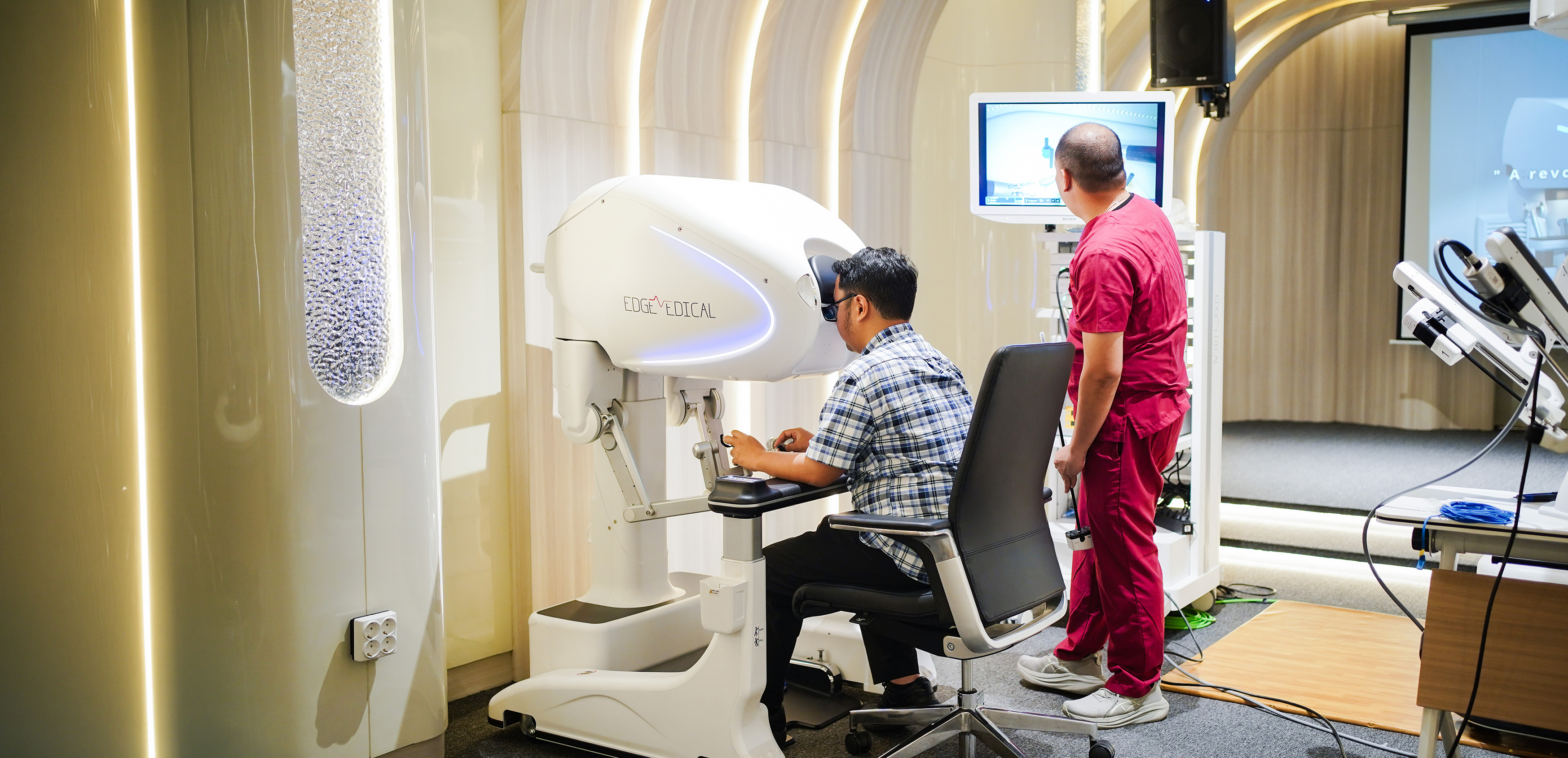
Advances in robotic-assisted surgery have helped transform patient care, offering surgeons enhanced precision and greater control during many procedures. As a result, some people assume that robotic surgery completely removes the risks associated with surgery.

Myth: Robotic surgery eliminates all surgical risks.

It is easy to see why this misconception exists. Robotic-assisted procedures are often associated with smaller incisions, less tissue trauma, reduced blood loss, and potentially faster recovery times compared to some traditional surgical approaches. These benefits can contribute to improved patient outcomes in appropriate cases.

However, no surgical technology can guarantee a risk-free procedure.

Fact: All surgical procedures carry inherent risks, and outcomes depend on multiple clinical factors.

Whether a procedure is performed using robotic technology, conventional minimally invasive techniques, or open surgery, every operation involves some level of risk. Potential complications such as infection, bleeding, adverse reactions to anaesthesia, or unexpected clinical challenges can still occur.

While robotic-assisted surgery may help reduce certain risks by enabling more precise movements and improved visualisation, it does not eliminate them entirely. The success of a procedure depends on many factors, including the patient’s overall health, the complexity of the condition being treated, the stage of the disease, and the expertise of the surgical team.

It is also important to remember that recovery is different for every patient. Although some patients may experience shorter hospital stays and a quicker return to daily activities, outcomes can vary significantly from person to person.

Robotic-assisted surgery is a powerful advancement in modern medicine, but it is not a guarantee of perfect results. Instead, it is one of many tools that surgeons use to provide the most appropriate care for each patient, helping to improve surgical precision while recognising that every procedure carries inherent risks.
Save to bookmark
Share

What to read next


The Power of Positive Habits for Mental Well-...
14 August 2026
The Power of Positive Habits for Mental Well-being
Mental well-being plays a vital role in how we manage stress, build relationships, and navigate dail...
Robotic Surgery for Colorectal Care: Precisio...
12 August 2026
Robotic Surgery for Colorectal Care: Precision Where It Matters Most
Surgery for colorectal conditions can be complex, but robotic-assisted technology is helping surgeon...
Staying Active at Work: Small Movements, Big ...
10 August 2026
Staying Active at Work: Small Movements, Big Health Benefits
Office workers often spend long hours sitting, which can increase health risks such as heart disease...