




























More Than Complex Cases: How Robotic Surgery Is Transforming General Surgery

Robotic-assisted surgery is no longer limited to highly specialised procedures. From hernia repairs to gallbladder surgery, it is expanding the possibilities of minimally invasive care. Discover how this technology is helping surgeons perform a growing range of general surgical procedures with greater precision and confidence.
Articles
02 September 2026
Country(s)
iconiconiconiconiconiconicon
When most people think of robotic-assisted surgery, they often associate it with highly specialised procedures. In reality, the technology is now being used for a growing number of everyday operations, making minimally invasive surgery accessible to more patients than ever before.

General surgery covers a wide range of conditions that affect the abdomen and digestive system. As robotic technology continues to advance, surgeons are increasingly using it for selected procedures that benefit from enhanced precision and control.

These may include:
  • Hernia repair
  • Gallbladder removal
  • Bariatric (weight-loss) surgery
  • Selected stomach and intestinal procedures
  • Other abdominal operations, depending on the patient’s condition
So, what makes robotic-assisted surgery different?

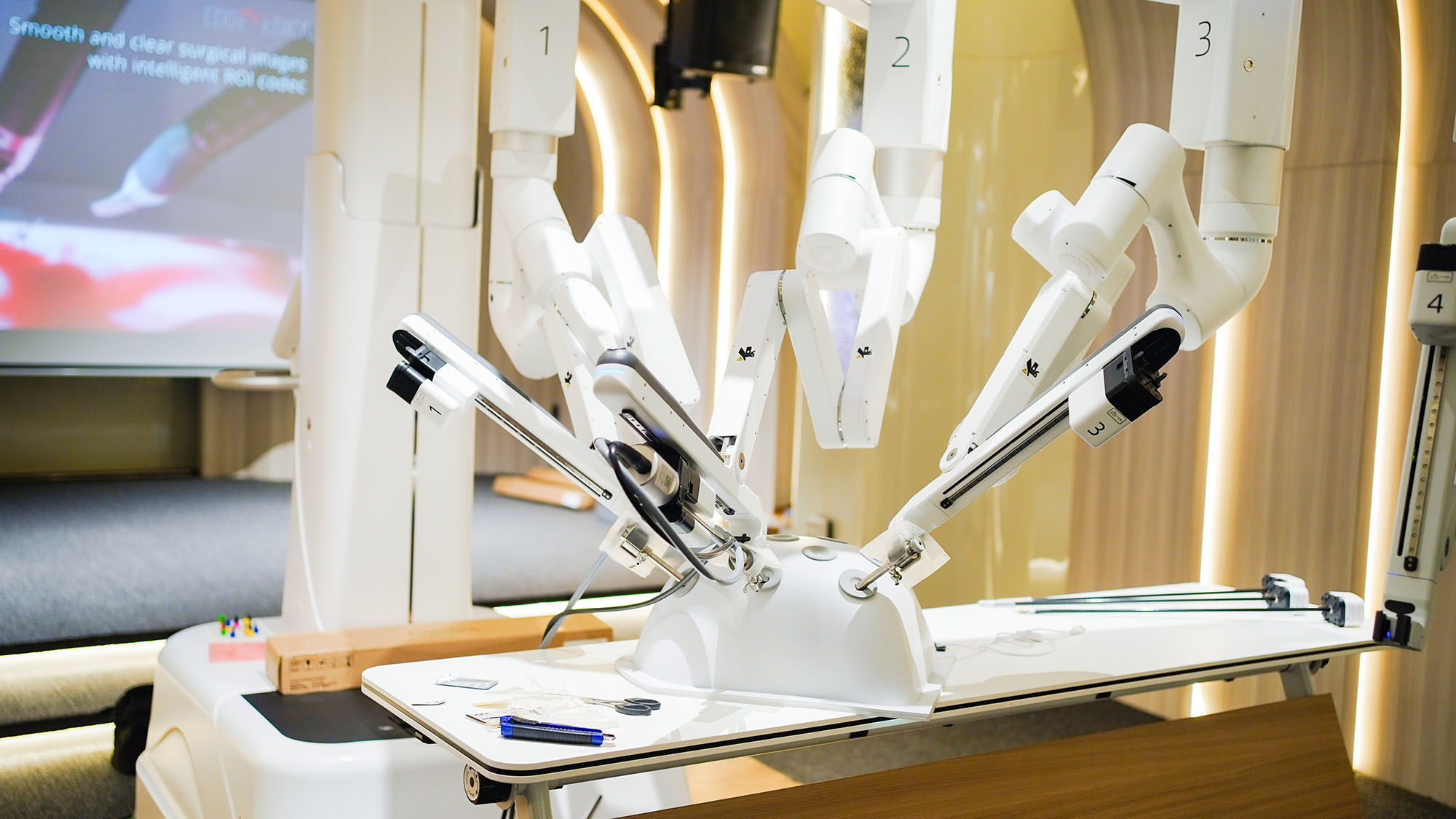
The answer lies in how it supports the surgeon. Using a specialised console, the surgeon controls robotic instruments that translate their hand movements into smaller, highly precise actions. At the same time, a high-definition, magnified 3D view of the surgical area provides exceptional visibility throughout the procedure.

For suitable patients, this minimally invasive approach may offer several advantages, including:
  • Smaller incisions
  • Reduced blood loss
  • Less pain after surgery
  • A shorter hospital stay
  • Faster recovery and return to daily activities
However, robotic-assisted surgery is not a one-size-fits-all solution. Every patient is different, and the best surgical approach depends on factors such as the condition being treated, its complexity and the patient’s overall health. Your surgeon will recommend the option that is most appropriate for your individual needs.

As healthcare continues to evolve, robotic-assisted surgery is becoming an important part of modern general surgery. While the technology is impressive, its greatest strength lies in supporting what matters most: the skill and judgement of experienced surgeons, and helping patients receive safe, effective and personalised care.

Whether the procedure is routine or complex, the goal remains the same—to help patients recover with confidence and return to living life as fully as possible.
Save to bookmark
Share

What to read next


Is the Traditional Career Path Still Relevant...
31 August 2026
Is the Traditional Career Path Still Relevant?
The traditional career path of education, degree, and long-term employment is evolving as the modern...
The Deadline of the Future to Come
28 August 2026
The Deadline of the Future to Come
The traditional path of studying, earning a degree, and securing a stable job is becoming less predi...
Robotic Surgery for Women’s Health: A Gentl...
26 August 2026
Robotic Surgery for Women’s Health: A Gentler Approach to Gynaecologic Care
From fibroids to endometriosis and certain gynaecological cancers, robotic-assisted surgery is helpi...