


























Robotic Surgery for Colorectal Care: Precision Where It Matters Most

Surgery for colorectal conditions can be complex, but robotic-assisted technology is helping surgeons operate with greater precision. Learn how this minimally invasive approach may reduce pain, shorten recovery and support better outcomes for patients with colorectal and digestive diseases.
Articles
12 August 2026
Country(s)
iconiconiconiconiconiconicon
If you’ve been diagnosed with a condition affecting the colon or rectum, the thought of surgery can be daunting. Many patients wonder what recovery will be like, how much discomfort they might experience, and when they’ll be able to return to everyday life.

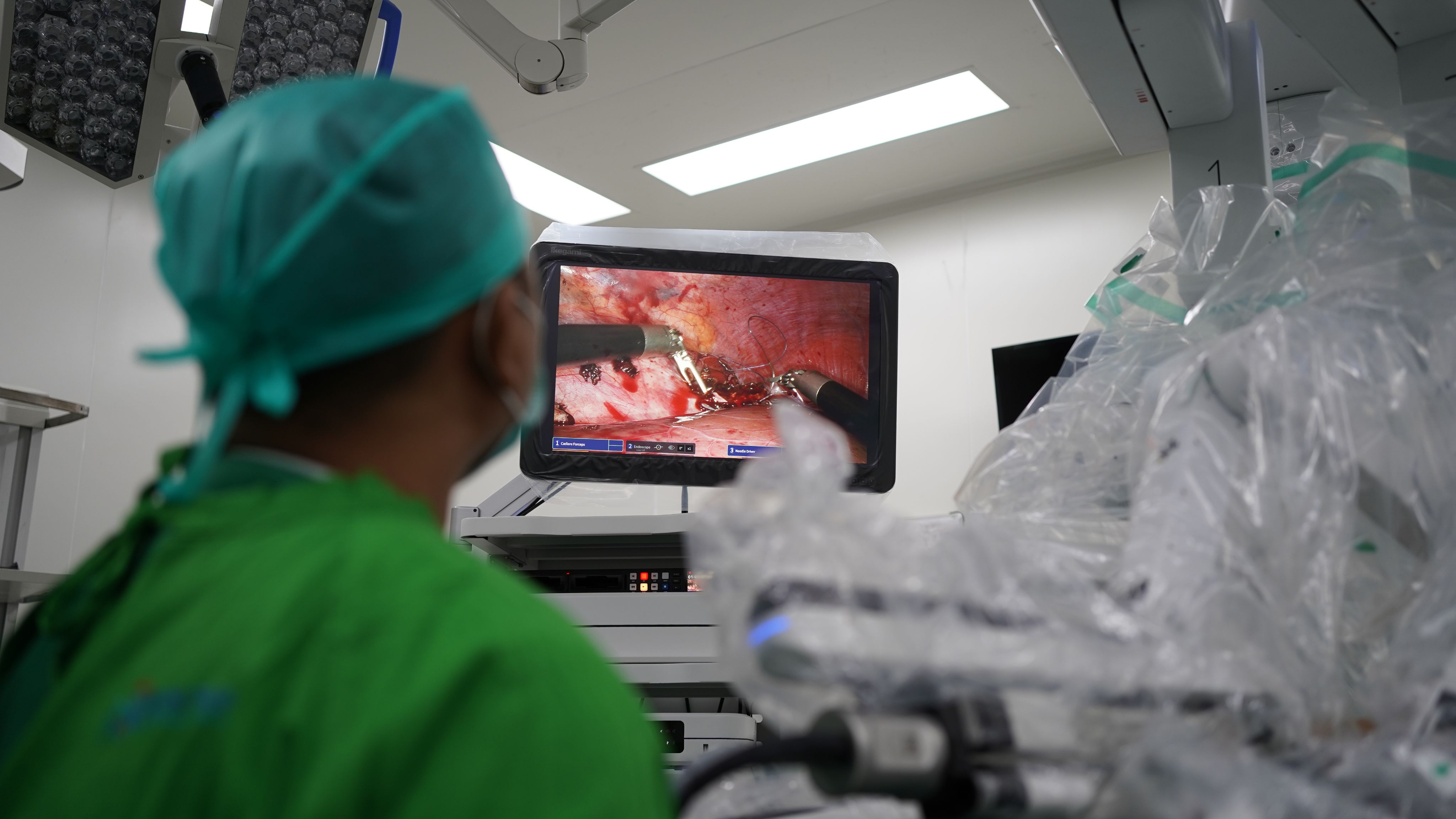
Robotic-assisted surgery is helping to make many colorectal procedures less invasive while giving surgeons greater precision during complex operations.

What conditions can robotic surgery treat?
Robotic-assisted surgery may be recommended for selected patients with:
  • Colorectal cancer
  • Diverticular disease
  • Inflammatory bowel disease
  • Large colorectal polyps that require surgery
  • Certain other digestive conditions
Why is precision so important?
The colon and rectum are located in a narrow area of the body surrounded by important nerves, blood vessels and organs. During surgery, preserving these structures is essential.
Robotic technology helps surgeons by providing:
  • A magnified, high-definition 3D view of the surgical area
  • Highly precise instruments that can move with exceptional dexterity
  • Better control when operating in tight spaces
Remember, the surgeon performs every step of the procedure—the robotic system simply enhances their ability to operate with precision.

What are the potential benefits?
For suitable patients, robotic-assisted colorectal surgery may offer:
  • Smaller incisions
  • Less blood loss
  • Reduced pain after surgery
  • A shorter hospital stay
  • Faster recovery and return to daily activities
Every patient’s recovery is different, and outcomes depend on the condition being treated as well as their overall health.

Is robotic surgery right for everyone?
Not always. The best surgical approach depends on factors such as your diagnosis, medical history and the complexity of the procedure. Your surgeon will recommend the option that is most appropriate for your individual needs.
While technology continues to advance, successful surgery still depends on the skill and experience of the surgical team. Robotic-assisted surgery is one more way surgeons are helping patients receive safe, precise and personalised colorectal care.
Save to bookmark
Share

What to read next


Staying Active at Work: Small Movements, Big ...
10 August 2026
Staying Active at Work: Small Movements, Big Health Benefits
Office workers often spend long hours sitting, which can increase health risks such as heart disease...
Immunity 101: How to Boost Your Immunity
07 August 2026
Immunity 101: How to Boost Your Immunity
During World Immunity Month, attention often turns to ways of strengthening the immune system. While...
Breathing Easier: How Robotic Surgery Is Chan...
05 August 2026
Breathing Easier: How Robotic Surgery Is Changing Chest Surgery
For conditions affecting the lungs and chest, surgery once meant a large incision and a lengthy reco...