


























Understanding the Three Core Components of a Robotic Surgical System

Robotic-assisted surgical systems are typically built around three main components: the surgeon console, patient cart with robotic arms, and the vision system. Depending on the platform, robotic systems may utilise either multi-port or single-port configurations to support minimally invasive surgical procedures through enhanced visualisation, precision, and control.
Articles
10 June 2026
Country(s)
iconiconiconiconiconiconicon
Robotic-assisted surgery combines advanced imaging, precision instruments, and surgeon-controlled technology to support minimally invasive procedures. While systems may vary by manufacturer, most robotic surgical platforms are built around three main components that work together during an operation.
  1. Surgeon Console
The surgeon console serves as the control centre of the robotic system. This is where the surgeon operates using hand controls and foot pedals while viewing the procedure through a high-definition, three-dimensional display.

The console provides a magnified view of the surgical field, supporting enhanced precision, depth perception, and control during complex procedures. The surgeon’s movements are translated into real-time instrument movements within the patient.
  1. Patient Cart (Robotic Arms)
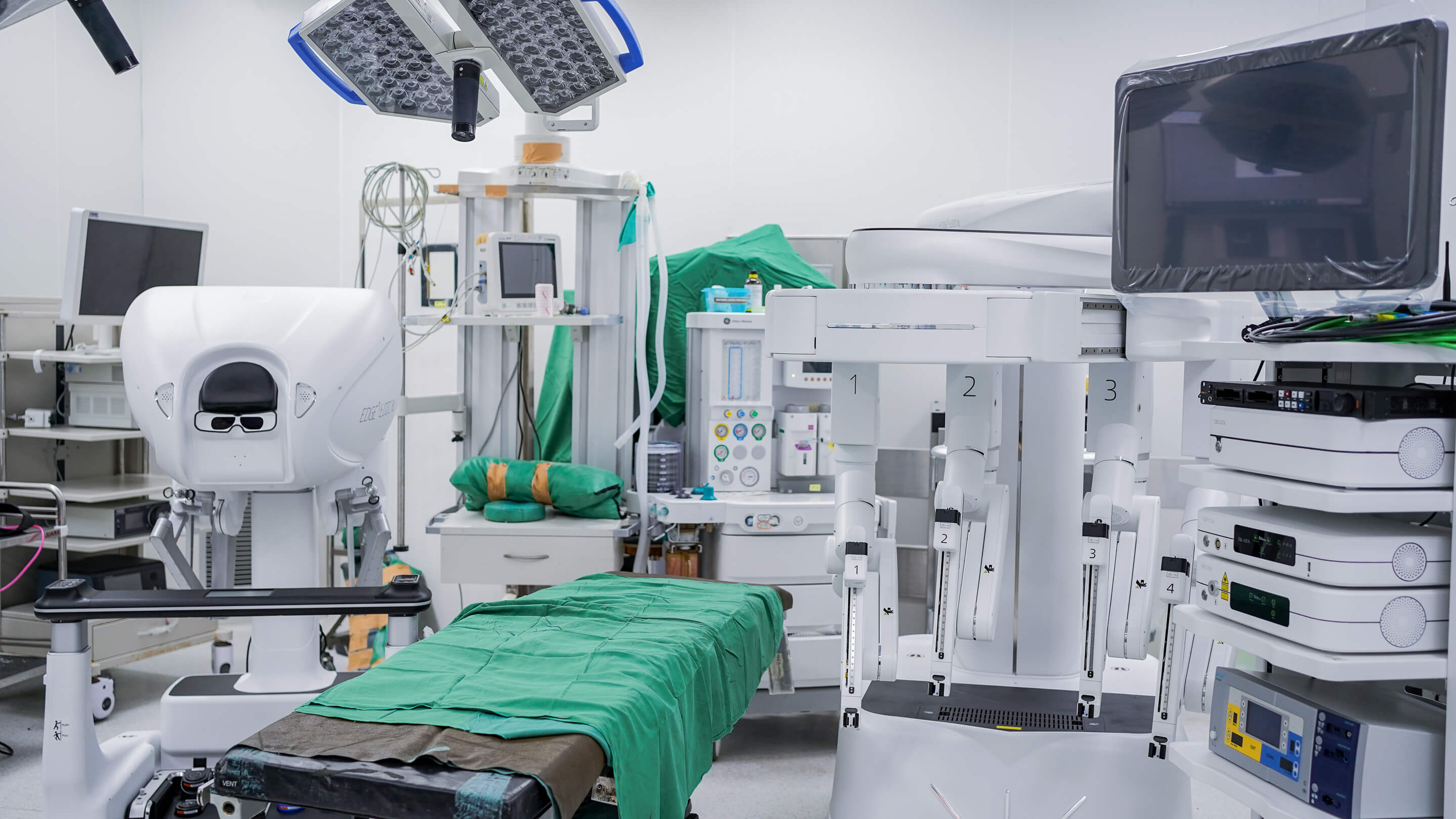
Positioned beside the patient, the patient cart contains the robotic arms that hold surgical instruments and the endoscopic camera.

These robotic arms translate the surgeon’s hand movements into highly controlled and precise motions. Depending on the robotic platform, the patient cart may be configured in different ways:
  • Multi-port systems typically utilise multiple robotic arms inserted through separate small incisions. This approach allows instruments and the camera to operate from different entry points, providing flexibility and triangulation around the surgical site.
  • Single-port systems are designed to introduce multiple instruments and a camera through a single access point. Once inside the body, the instruments can articulate and separate to perform the procedure while minimising the number of external incisions.
Both approaches aim to support minimally invasive surgery, with the choice of system depending on the procedure, clinical objectives, and surgeon preference.
  1. Vision System
The vision system delivers high-definition, three-dimensional imaging of the surgical area.

This magnified visualisation allows surgeons to identify anatomical structures more clearly and enhances depth perception during procedures. Improved visibility can support accuracy when operating in delicate or confined surgical spaces.

Some systems also incorporate advanced imaging technologies that assist with tissue visualisation and anatomical assessment during surgery.

Together, these three components form the foundation of robotic-assisted surgical systems, combining surgeon expertise with advanced technology to support modern surgical care. Whether utilising multi-port or single-port configurations, robotic platforms are designed to enhance visualisation, instrument control, and surgical precision while supporting minimally invasive techniques.
Save to bookmark
Share

What to read next


Why So Many Employees Are Tired Even When The...
08 June 2026
Why So Many Employees Are Tired Even When They Never Take Leave
Presenteeism — showing up to work while mentally exhausted — is becoming a growing workplace cha...
Your Heart at 40 Is Your Brain at 60
05 June 2026
Your Heart at 40 Is Your Brain at 60
Middle-aged heart health is closely tied to long-term brain function. This article explores how high...
Flavoured Clouds, Real Consequences: Rethinki...
29 May 2026
Flavoured Clouds, Real Consequences: Rethinking Vaping and Quitting
Flavoured vaping products can make nicotine use feel less harsh, encouraging initiation and habitual...