




























Robotic Surgery for Prostate and Kidney Care: Precision That Makes a Difference

Robotic-assisted surgery is transforming prostate and kidney procedures by combining surgical expertise with advanced technology. From greater precision to faster recovery, discover how this minimally invasive approach is helping patients return to their daily lives sooner while supporting better surgical outcomes.
Articles
19 August 2026
Country(s)
iconiconiconiconiconiconicon
Hearing that you need surgery for a prostate or kidney condition can feel overwhelming. Along with concerns about the diagnosis itself, many patients worry about the operation, the pain afterwards, and how long it will take to get back to their normal routine.

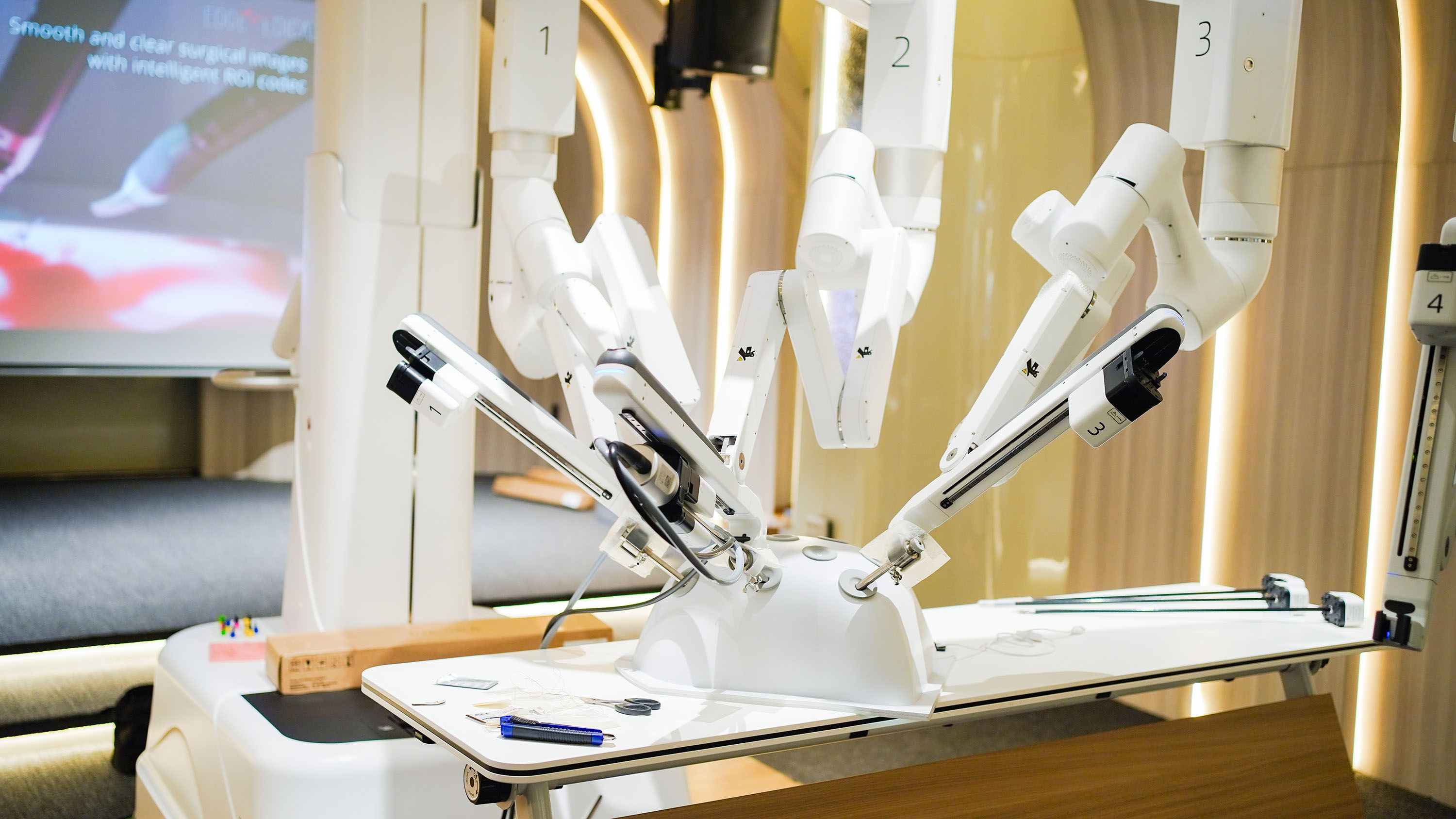
Today, advances in surgical technology are helping to ease some of those concerns. Robotic-assisted surgery is becoming an increasingly common option for selected urologic procedures, including prostate removal for prostate cancer and surgery to treat kidney tumours.
Despite the name, the robot does not operate on its own. Every movement is guided entirely by a highly trained surgeon, who controls robotic instruments from a nearby console. The system simply translates the surgeon’s hand movements into smaller, more precise actions while providing a magnified, high-definition view of the surgical site.

This enhanced precision can be especially valuable when operating around delicate nerves, blood vessels and other important structures. For patients, that often means smaller incisions, less blood loss, reduced post-operative pain and a shorter hospital stay compared with traditional open surgery. Many patients are also able to resume their everyday activities sooner.

For kidney surgery, robotic technology can help surgeons remove a tumour while preserving as much healthy kidney tissue as possible. In prostate surgery, the precision of robotic instruments can support meticulous dissection in complex anatomical areas.
It is important to remember that robotic-assisted surgery is not the right option for every patient. Factors such as the type of condition, its severity and your overall health all play a role in determining the most appropriate treatment. Your surgeon will recommend the approach that offers the greatest benefit for your individual situation.

Technology continues to reshape the future of healthcare, but one thing remains unchanged: successful surgery depends on the expertise and judgement of the surgical team. Robotic systems are powerful tools that support surgeons in delivering precise, patient-centred care—helping many people recover with greater confidence and return to the moments that matter most.
Save to bookmark
Share

What to read next


Blink, Rest, Repeat: Preventing Digital Eye S...
18 August 2026
Blink, Rest, Repeat: Preventing Digital Eye Strain
Spending long hours in front of digital screens can lead to eye fatigue, headaches, blurred vision, ...
The Power of Positive Habits for Mental Well-...
14 August 2026
The Power of Positive Habits for Mental Well-being
Mental well-being plays a vital role in how we manage stress, build relationships, and navigate dail...
Robotic Surgery for Colorectal Care: Precisio...
12 August 2026
Robotic Surgery for Colorectal Care: Precision Where It Matters Most
Surgery for colorectal conditions can be complex, but robotic-assisted technology is helping surgeon...