


























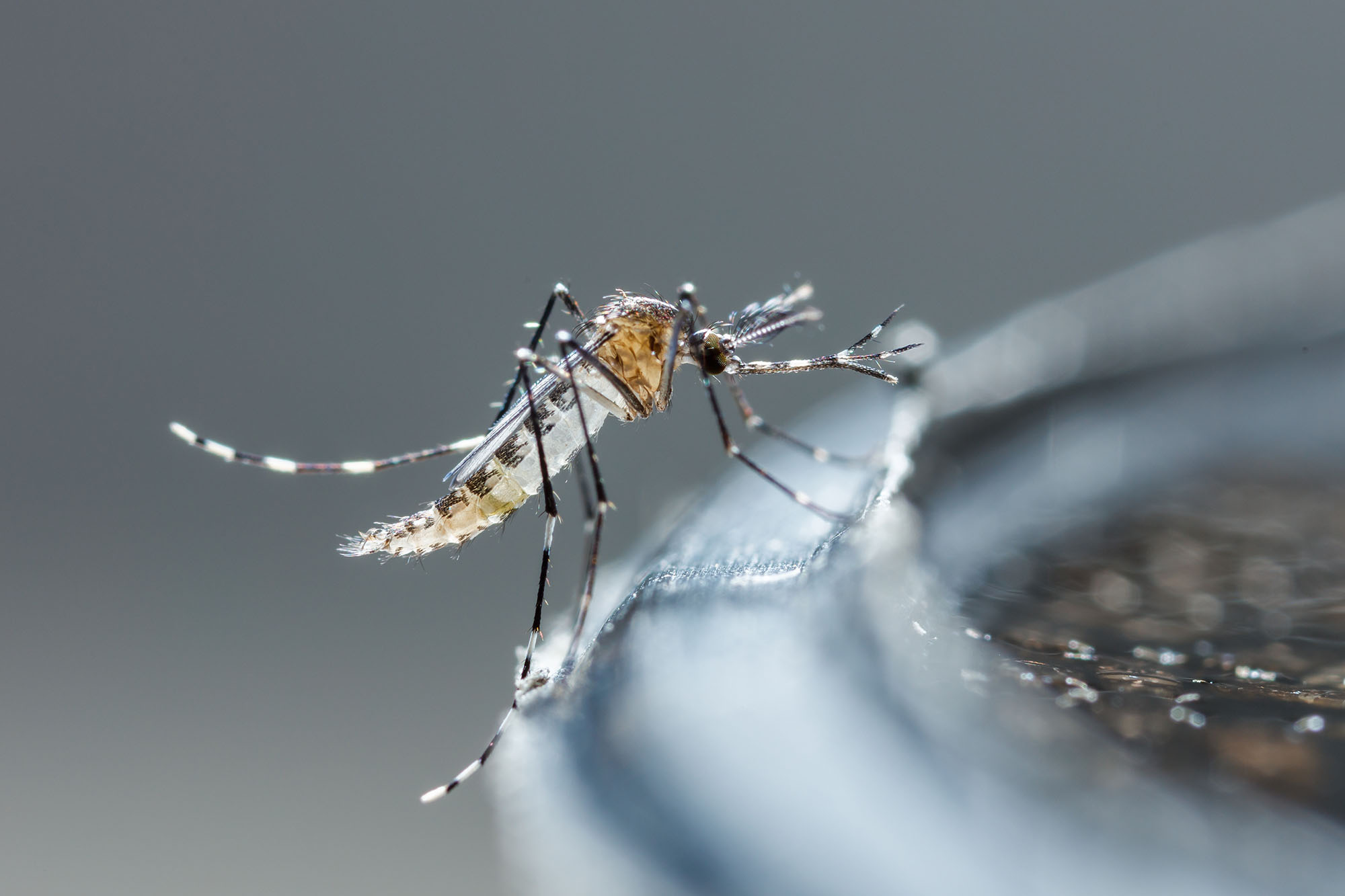
World Mosquito Day: Understanding Malaria and How to Prevent It

World Mosquito Day highlights the ongoing fight against malaria, a life-threatening disease transmitted by mosquitoes. Despite medical advances, it still causes hundreds of thousands of deaths annually, especially among young children. Prevention through mosquito protection, antimalarial medication, and vaccination remains essential. Raising awareness and taking preventive action are key to reducing its global impact.
Articles
21 August 2026
Country(s)
iconiconiconiconiconiconicon
On World Mosquito Day, attention turns to malaria awareness and prevention—highlighting the ongoing importance of protecting against mosquito-borne diseases.

A breakthrough came in 1897 when British doctor Sir Ronald Ross discovered that mosquitoes transmit malaria. This finding reshaped global understanding of the disease and enabled more effective prevention strategies that continue to save lives today.

Malaria is caused by a parasite transmitted through mosquito bites. Once in the body, it travels to the liver, multiplies, and then infects red blood cells. Early symptoms include fever, chills, headache, muscle and joint pain, fatigue, and nausea. If severe, it can lead to complications such as organ failure, anaemia, seizures, and breathing difficulties.

Despite advances in control efforts, malaria remains a major global health issue, with an estimated 282 million cases and 610,000 deaths annually across 80 countries. Around 75% of deaths occur in children under five, making prevention and awareness especially critical for families in high-risk areas.

Malaria is most common in tropical and subtropical regions, including sub-Saharan Africa, Southeast Asia, and Central and South America.

Prevention measures include:
  • Mosquito protection – using insect repellents, wearing protective clothing, and sleeping under treated nets
  • Antimalarial medication – prescribed for those in or travelling to high-risk areas
  • Vaccination – recommended by WHO for children in endemic regions
Closing

World Mosquito Day is a reminder that malaria is preventable, yet still life-threatening in many regions. Strengthening awareness and consistently applying preventive measures are key to reducing its impact and protecting vulnerable communities.
Save to bookmark
Share

What to read next


Robotic Surgery for Prostate and Kidney Care:...
19 August 2026
Robotic Surgery for Prostate and Kidney Care: Precision That Makes a Difference
Robotic-assisted surgery is transforming prostate and kidney procedures by combining surgical expert...
Blink, Rest, Repeat: Preventing Digital Eye S...
18 August 2026
Blink, Rest, Repeat: Preventing Digital Eye Strain
Spending long hours in front of digital screens can lead to eye fatigue, headaches, blurred vision, ...
The Power of Positive Habits for Mental Well-...
14 August 2026
The Power of Positive Habits for Mental Well-being
Mental well-being plays a vital role in how we manage stress, build relationships, and navigate dail...