




























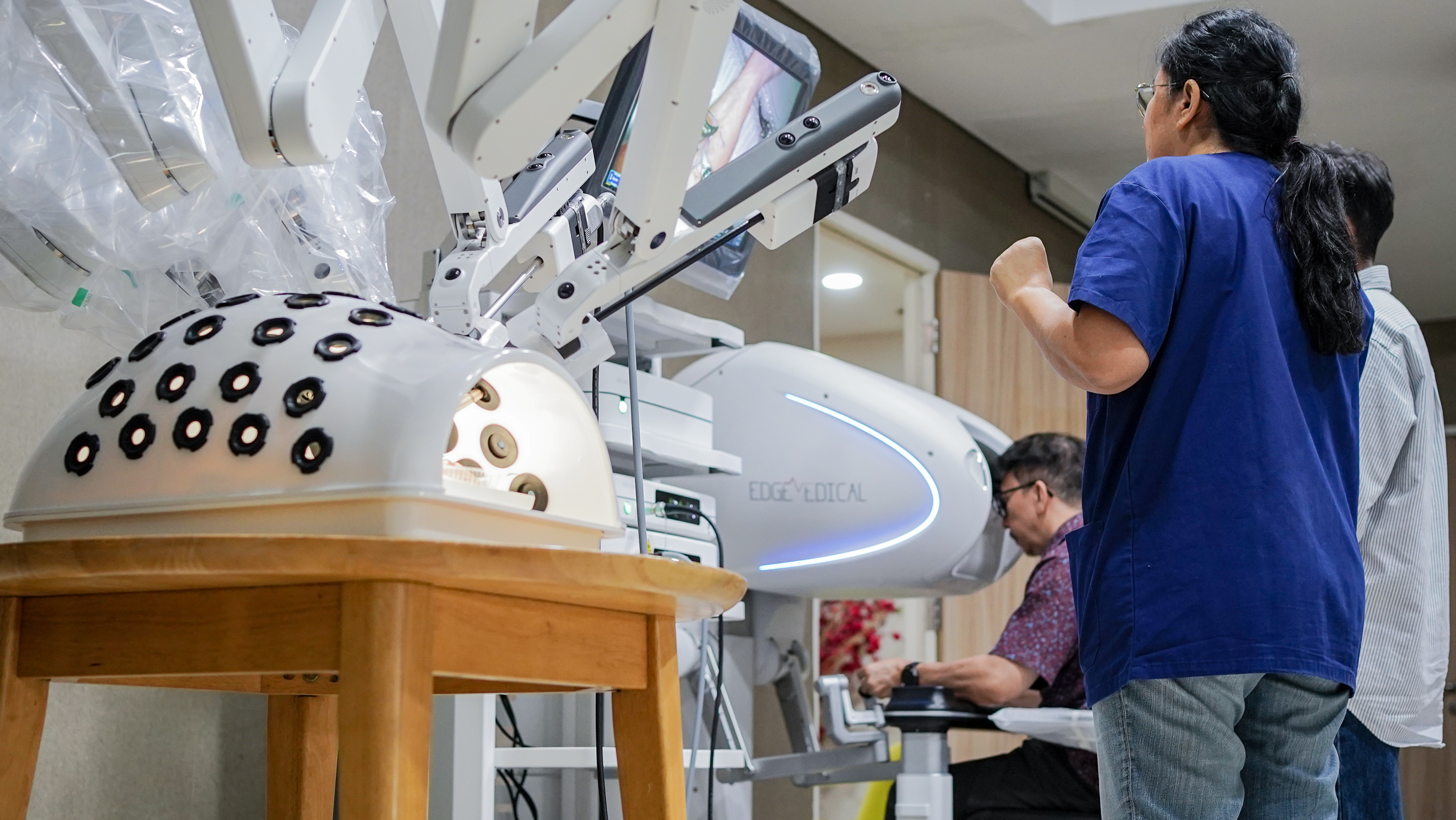
Proven Technology, Trusted Care: The Reality of Robotic Surgery

Is robotic surgery still experimental? Despite its advanced technology, robotic-assisted surgery has been used in clinical practice for years and is adopted by healthcare systems worldwide for selected procedures. Learn how specialised training, established protocols, and surgeon expertise help make robotic-assisted surgery a trusted option for many patients.
Articles
09 July 2026
Country(s)
iconiconiconiconiconiconicon
For many patients, the word "robotic" can sound futuristic or unfamiliar. Some may even wonder whether robotic-assisted surgery is still in the experimental stage. This concern is understandable, especially when considering an important healthcare decision.

Myth: Robotic surgery is experimental.
Because robotic-assisted surgery involves advanced technology, some people assume it is a new or untested approach available only in research settings.

Robotic-assisted surgery has been used in clinical practice for many years and continues to be adopted by healthcare institutions worldwide for a wide range of procedures.

Fact: Robotic-assisted surgery has been adopted in many healthcare systems worldwide for selected procedures.
Robotic-assisted surgery is not a replacement for conventional surgery, nor is it an experimental procedure performed without established clinical protocols. It is a recognised surgical approach that may be recommended for suitable patients and specific types of operations.

Hospitals that offer robotic-assisted surgery invest significantly in specialised equipment, surgeon training, and clinical governance to ensure procedures are performed safely and effectively. Surgeons undergo dedicated training before using robotic systems in patient care, and the technology is integrated into established surgical practices.

The role of the robotic system is to assist the surgeon by providing enhanced visualisation, greater precision, and improved instrument control. Every step of the procedure remains under the direct supervision and control of the surgical team.

Like any surgical approach, robotic-assisted surgery is not suitable for every patient or every condition. The decision to use it depends on factors such as the patient’s medical needs, the type of procedure, and the surgeon’s clinical judgement.

For patients considering their treatment options, it is important to know that robotic-assisted surgery is not an experiment. It is a well-established technology that supports surgeons in delivering high-quality care and has become part of modern surgical practice in many healthcare systems worldwide.
Save to bookmark
Share

What to read next


Eco-Anxiety: Population Growth and the Fight ...
06 July 2026
Eco-Anxiety: Population Growth and the Fight for Peace of Mind
The weight of a growing planet is fundamentally shaping our future families. As global population pr...
The Forgotten Cancer: Understanding Sarcoma a...
03 July 2026
The Forgotten Cancer: Understanding Sarcoma and the Power of Early Detection
Sarcoma is a rare cancer of the connective tissues, often misdiagnosed as a minor sports injury. Bec...
Robotic Surgery: Why Better Outcomes Don’t ...
01 July 2026
Robotic Surgery: Why Better Outcomes Don’t Mean Zero Risk
Many people believe robotic surgery removes all surgical risks, but no procedure is entirely risk-fr...