



























icon

Why Robotic Surgery Means Smaller Cuts and Faster Recovery

Robotic-assisted surgery enables smaller incisions and greater precision by translating a surgeon’s movements into controlled, tremor-free actions with enhanced 3D visualisation. This minimally invasive approach reduces tissue damage, leading to less pain, lower risk, and faster recovery—while keeping the surgeon fully in control.
Articles
06 May 2026
Country(s)
iconiconiconiconiconiconicon
For many patients, the biggest questions about surgery are simple: Robotic-assisted procedures are changing those answers—by combining surgical expertise with technology designed for precision and control.

Smaller Incisions, Less Disruption
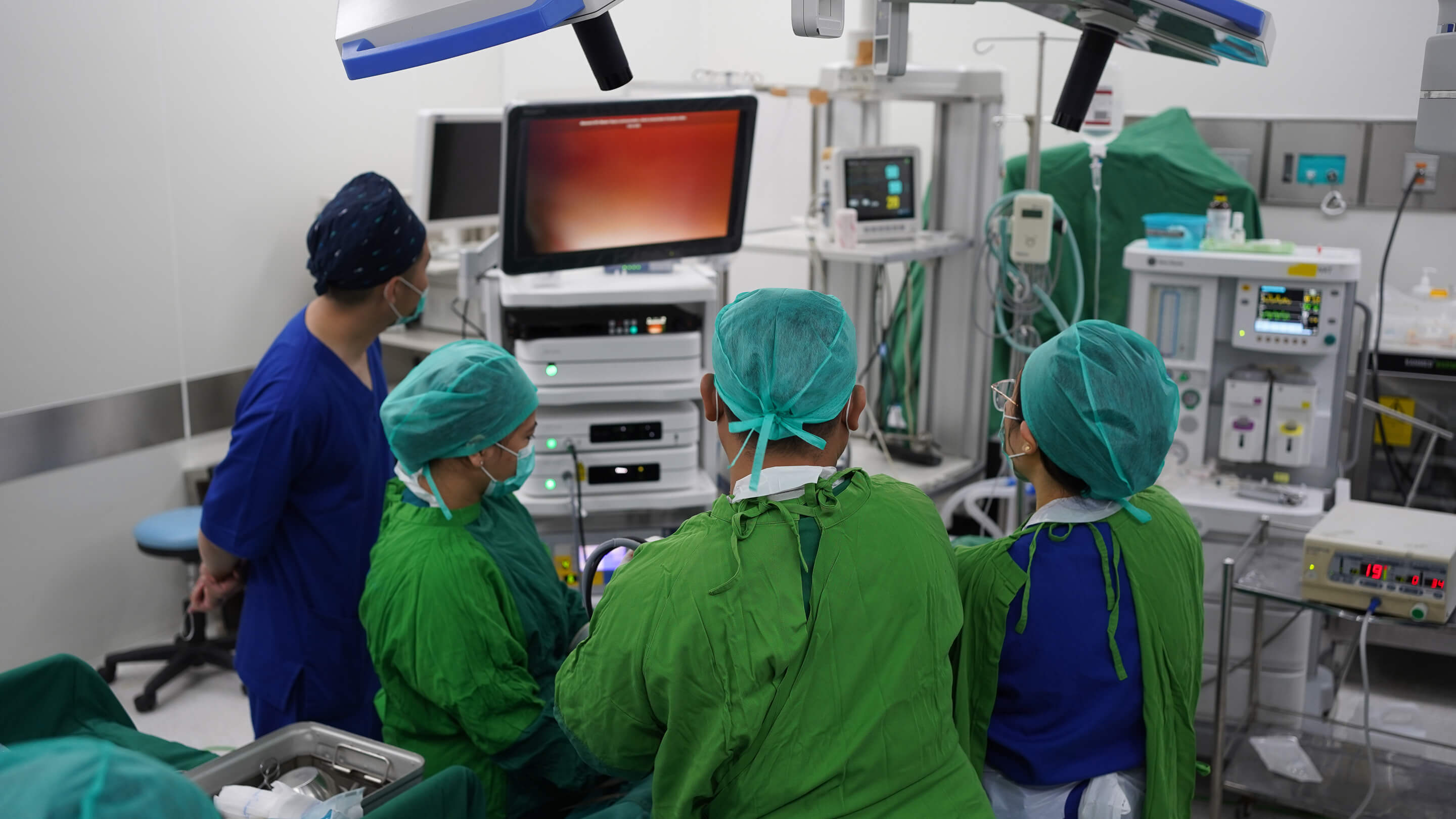
Unlike traditional open surgery, robotic procedures use a few small incisions rather than one large cut. Through these, surgeons insert a camera and specialised instruments, often using systems such as the Edge Medical MP1000. Because access points are smaller and more targeted, there is less disruption to surrounding muscles and tissues.

Precision That Protects Healthy Tissue
At a console, the surgeon controls every movement. The system translates hand motions into highly precise actions, filtering out natural tremors and allowing for fine, controlled movements. This level of accuracy helps surgeons operate around delicate structures while preserving as much healthy tissue as possible.

Better Visibility, Better Decisions
A magnified, high-definition 3D view gives surgeons a clearer look at the surgical area than the naked eye alone. This enhanced visualisation supports more accurate dissection and suturing—key factors in reducing complications.

What This Means for Recovery
Because the procedure is less invasive, patients often benefit from:
  • Reduced pain after surgery
  • Lower risk of infection
  • Minimal scarring
  • Shorter hospital stays
  • Faster return to daily activities

Not Just Technology—Refined Care
It’s important to remember that the system does not operate on its own. The surgeon remains in full control throughout. Robotic platforms extend their capabilities—enabling a level of precision that directly translates into better patient outcomes.

In essence, smaller cuts are not just a technical detail—they’re a reflection of a more refined approach to surgery, where accuracy leads to quicker, smoother recovery.
Save to bookmark
Share

What to read next


Drowning Prevention: Saving Lives and Healing...
20 July 2026
Drowning Prevention: Saving Lives and Healing Trauma
World Drowning Prevention Day spotlights the vital physical tactics needed to save lives, but the im...
The IVF Journey: Balancing Medical Science an...
17 July 2026
The IVF Journey: Balancing Medical Science and Mental Resilience
World IVF Day honours the brilliant science of reproductive medicine, but the physical reality of tr...
Myth vs Fact: Does the Robot Perform Surgery ...
15 July 2026
Myth vs Fact: Does the Robot Perform Surgery on Its Own?
Many people imagine surgical robots operating independently, but the reality is very different. Lear...