The emergence of dengue fever at several parts of Indonesia has brought an alert to the country. Rainy season is indeed related to this dangerous illness. The Ministry of Health of the Republic of Indonesia stated that several regions have been greatly affected, including
Labuan Bajo. In Semarang alone, there have been
175 dengue fever cases reported, taking lives of two patients.
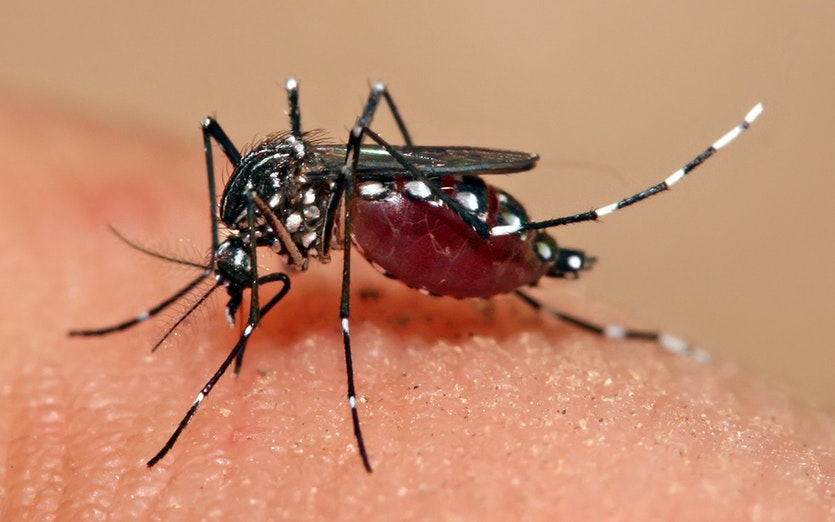
Dengue is a viral infection caused by four types of viruses (DENV-1, DENV-2, DENV-3, DENV-4). The viruses are transmitted through the bite of infected Aedes aegypti and Aedes albopictus female mosquitoes that feed both indoors and outdoors during the daytime. These mosquitoes thrive in areas with standing water, including puddles, water tanks, containers and old tires. Lack of reliable sanitation and regular garbage collection also contribute to the spread of the mosquitoes.
In some cases, Dengue infection is asymptomatic –symptoms do not occur in the infected persons. Those with symptoms get ill between 4 to 7 days after the bite. The infection is characterized by flu-like symptoms which include:
- a sudden high fever coming in separate waves,
- pain behind the eyes,
- muscle, joint, and bone pain,
- severe headache,
- and a skin rash with red spots.
Treatment includes supportive care of symptoms. There is no antiviral treatment available.
The illness may progress to Dengue Hemorrhagic Fever (DHF). Symptoms include severe abdominal pain, vomiting, diarrhea, convulsions, bruising, and uncontrolled bleeding. High fever can last from 2 to 7 days. Complications can lead to circulatory system failure and shock (also known as Dengue Shock Syndrome).
It is crucial to be aware of this disease as it could lead to death. Here are several steps you can take to prevent dengue fever:
- Use a spray, lotion, towelette, or liquid repellent containing 20-30% DEET or 20% Picaridin on exposed skin. Apply according to manufacturer’s directions to ensure optimal protection. Re-apply on shorter times if you find that you are starting to get bitten. Note that repellents destroy items containing crystal or plastics so be careful if you wear jewelry or glasses.
- Wear neutral-colored (beige, light grey) clothing. If possible, wear long-sleeved, breathable garments.
- If available, pre-soak or spray outer layer clothing and gear with permethrin.
- Get rid of water containers around dwellings and ensure that door and window screens work properly.
- Consider spraying your home or room with an insecticide.
Reference: