




























icon

From Hand to Micro-Precision: How Robotic Surgery Refines Every Movement

Robotic-assisted surgery refines a surgeon’s hand movements into precise, tremor-free actions through motion scaling, enhanced flexibility, and real-time control. This micro-precision allows for more accurate procedures, minimising tissue damage and improving outcomes—while keeping the surgeon fully in command.
Articles
20 May 2026
Country(s)
iconiconiconiconiconiconicon
One of the most remarkable aspects of robotic-assisted surgery is how a surgeon’s natural hand movements are transformed into ultra-precise actions inside the body. It’s not about replacing the human touch—it’s about refining it.

From Console to Instrument
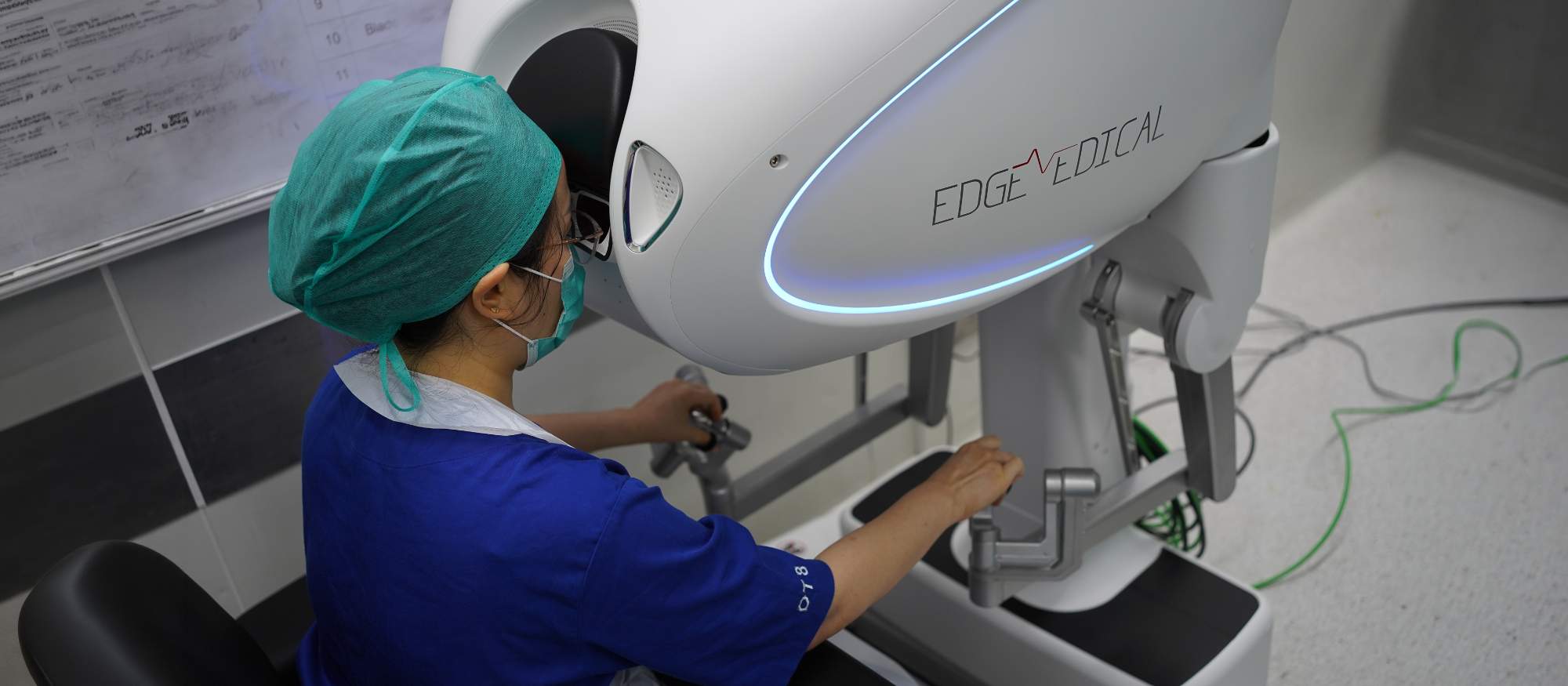
Using systems like the Edge Medical MP1000, the surgeon sits at a console and controls the instruments with hand and foot inputs. Every motion—whether a small wrist turn or a gentle pinch—is captured in real time and translated to the robotic arms.

Scaling Movement for Greater Accuracy
The system can “scale down” motion. A larger hand movement at the console can be converted into a much smaller, more controlled movement at the instrument tip. This allows surgeons to perform delicate tasks—like suturing tiny vessels or working near nerves—with exceptional precision.

Filtering Out Natural Tremors
Even the steadiest human hand has slight, involuntary tremors. Robotic systems are designed to filter these out completely, ensuring that only intentional movements are executed. The result is smoother, more stable instrument control.

Enhanced Range of Motion
Robotic instruments can articulate and rotate beyond the limits of the human wrist. This flexibility allows surgeons to access tight or complex areas with ease, performing movements that would be difficult—or impossible—with conventional tools.

Real-Time Responsiveness
There’s no delay between the surgeon’s input and the instrument’s action. The system responds instantly, maintaining a seamless connection between human intent and surgical execution.

Why It Matters for Patients
This level of micro-precision helps minimise damage to surrounding tissue, reduce complications, and improve overall surgical outcomes. It’s a key reason why robotic-assisted procedures often result in less pain and faster recovery.

In essence, robotic surgery doesn’t change who is operating—it elevates how it’s done, turning skilled hand movements into finely tuned, highly controlled precision.
Save to bookmark
Share

What to read next


Shake the Habit: Rethinking Salt for Better B...
18 May 2026
Shake the Habit: Rethinking Salt for Better Blood Pressure
On World Hypertension Day, the focus turns to salt as a hidden driver of Hypertension. Excess sodium...
Small Things at Home That Can Trigger Dengue ...
15 May 2026
Small Things at Home That Can Trigger Dengue Fever
Dengue fever often starts at home, where unnoticed breeding spots—like standing water, unused cont...
Inside the Robotic Operating Room: How Surger...
13 May 2026
Inside the Robotic Operating Room: How Surgery Is Performed Without Direct Touch
Robotic surgery is a coordinated, surgeon-led process where technology enhances precision, vision, a...